Planning a Japan trip? Learn from my money-saving mistakes that ended up costing me so much more than cash.
Japan has, at least until recently, had a reputation for being expensive, and as someone who obsessively tracks points and miles, I’m always looking for ways to stretch my travel budget further. But during my recent two-week adventure through the Golden Triangle (with a few extra stops along the way), I learned some hard lessons about when being frugal costs you the very experiences that make travel magical.
Looking back at my trip now, there are three specific moments where I wish I had just opened my wallet a little wider. Here’s what happened, and how you can avoid making the same mistakes I did.
The Omakase Experience That Left Me Hungry for More
I was intimidated by omakase before this trip. The whole concept of putting yourself entirely in a chef’s hands, not knowing exactly what you’ll get and sitting around a counter elbow to elbow with strangers. But I knew I couldn’t go to Japan without trying it at least once.
After scouring Tabelog for hours, I found this incredible sushi restaurant tucked on a side street in central Kyoto. It had 3.6 stars on Tabelog, a real winner! I saw they offered four different omakase tiers, ranging from ¥11,000 all the way up to ¥40,000 per person. Perfect, I thought. All I wanted was to dip my toes into sushi omakase. It wasn’t clear to me what made the tiers different from each other besides more sushi pieces and a higher price, and I figured we would be in good hands regardless.
So naturally, I booked us for the second cheapest option.
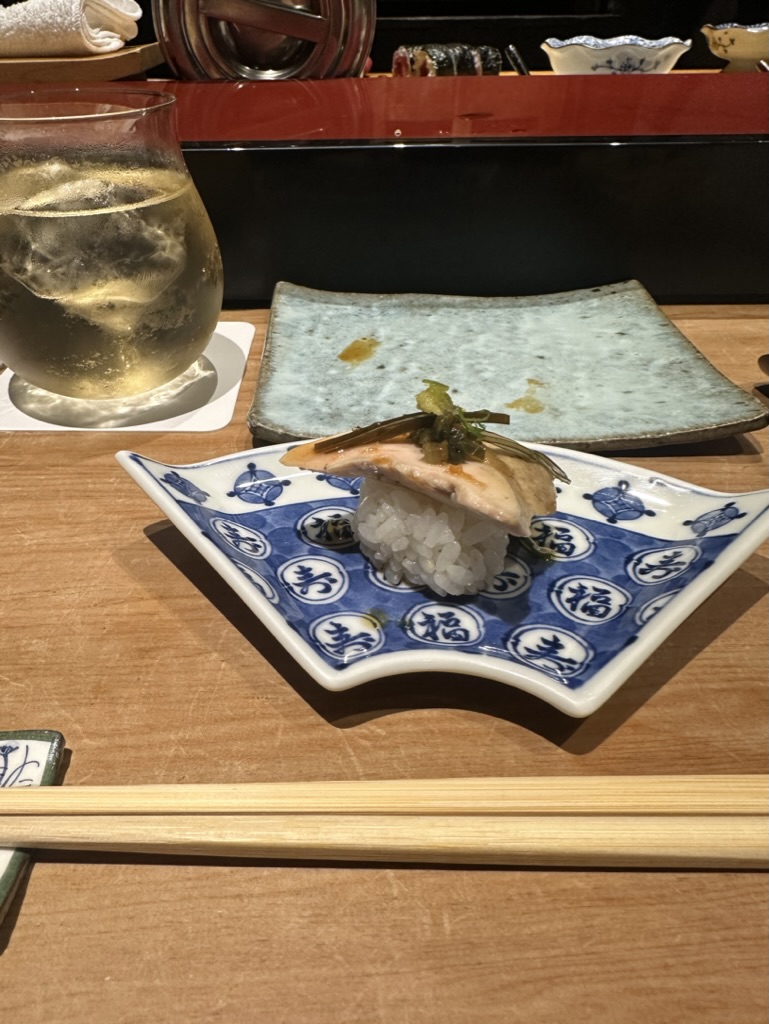
The restaurant had maybe ten seats total, all arranged around a beautiful wooden counter where we could watch the sushi chef work. From the moment we sat down, I could tell this was going to be special. The precision, the artistry, even the way he arranged his tools—I knew I watching a master craftsman.
But here’s where my budget decision started to sting. The couples next to us had clearly splurged on one of the higher tiers, and I watched with growing envy as they received course after course that we weren’t getting. While we got twelve pieces of sushi, they were getting eighteen, each one more elaborate than the last. The chef would spend several minutes crafting these intricate presentations for them.
Meanwhile, about half of our sushi was being prepared by what I realized was the sous chef. Don’t get me wrong—he was very talented and dedicated to his craft. But watching the head chef work his magic just an arm’s length away while getting second best treatment was honestly a little deflating.
Every single piece we did get was absolutely incredible. TThis was sushi like I had never experienced it before, which just made me more acutely aware of what we were missing out on. I kept thinking, what must the premium tiers be?
By the time we left, I was kicking myself. Sure, I had “saved” at least ¥5,000 per person, but I had also cheated myself out of what could have been one of the most memorable meals of my life. In Japan, where some of these sushi masters have decades of experience and Michelin stars to their names, this wasn’t just dinner—it was a cultural experience. And I had basically opted for the cliff notes version.
When “Great Location” Wasn’t Worth the Trade-Off
My hotel situation in Osaka shows how thorough research doesn’t always translate to the right choice. I spent tons of time researching neighborhoods, reading reviews, and comparing prices. Hotel the Flag in Shinsaibashi kept coming up in my searches because it hit all my boxes: central location, reasonable price at ¥12,000 per night, decent ratings.
What I didn’t fully appreciate from the photos was just how small “small” can be in Japan.
I’m talking about a room that was maybe 120 square feet total. We literally could not open both our suitcases at the same time—there wasn’t floor space. The bathroom was so tiny that when you sat on the toilet, your knees touched the opposite wall. I’m not exaggerating.
But the real killer was the vibe. Shinsaibashi is fantastic during the day—tons of restaurants, shopping, easy access to everything. At night? It’s a central spot for nightlife. Although our room was mercifully quiet, I did not love all the people loitering around the hotel and dodging drunk college aged kids in the streets getting back to our room.
The hotel also matched a much younger crowd. This would’ve been better if I was 23 and backpacking. It had the feel of a nicer and more private hostel, rather than a “budget luxury” hotel.
After arriving and seeing what we were working with. I seriously considered cutting our losses and switching hotels. I spent some time the first afternoon there researching other options, but with it being peak cherry blossom season, what was available in nicer hotels was too expensive to be worth the cost of switching and eating the cost of whatI already paid for Hotel The Flag. Our room was clean and quiet, and that was what mattered, andI just hoped our next stay would be better.
Looking back, I should have just booked something in Ueno from the start. It’s quieter, more upscale, and honestly would not have been that much more expensive if I had booked there from the beginning. The extra ¥8,000-10,000 per night would have been completely worth it for a larger room and a feeling of being well taken care of and comfortable after long days of sightseeing.
The Ferry Route That Taught Me About False Economy
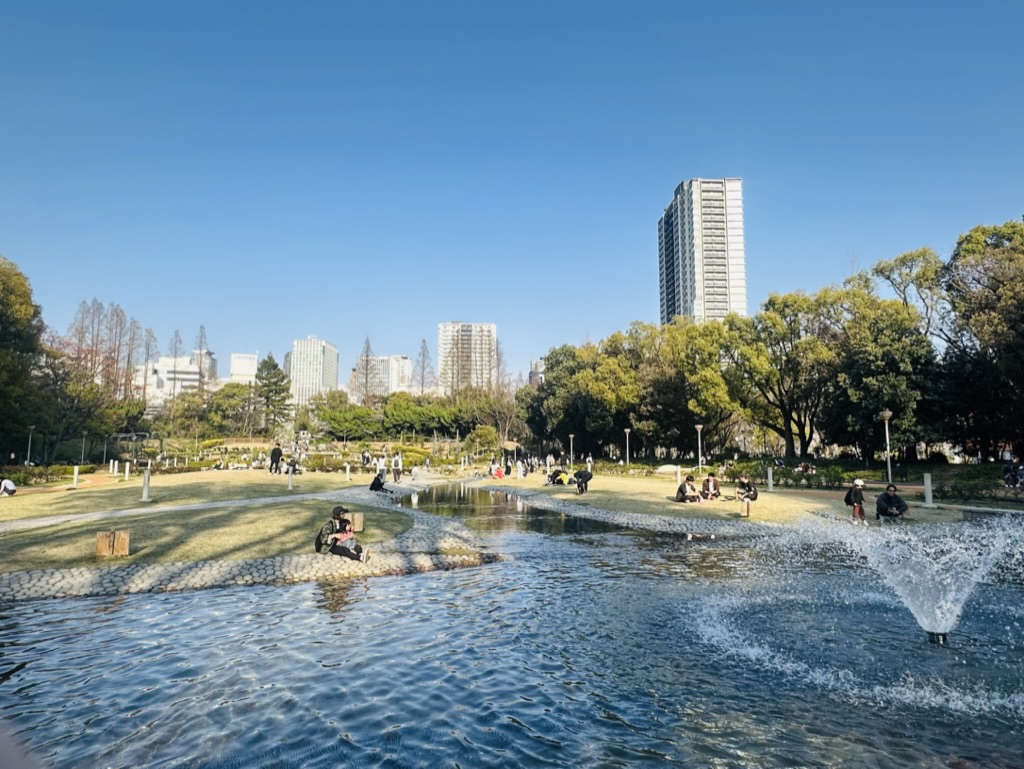
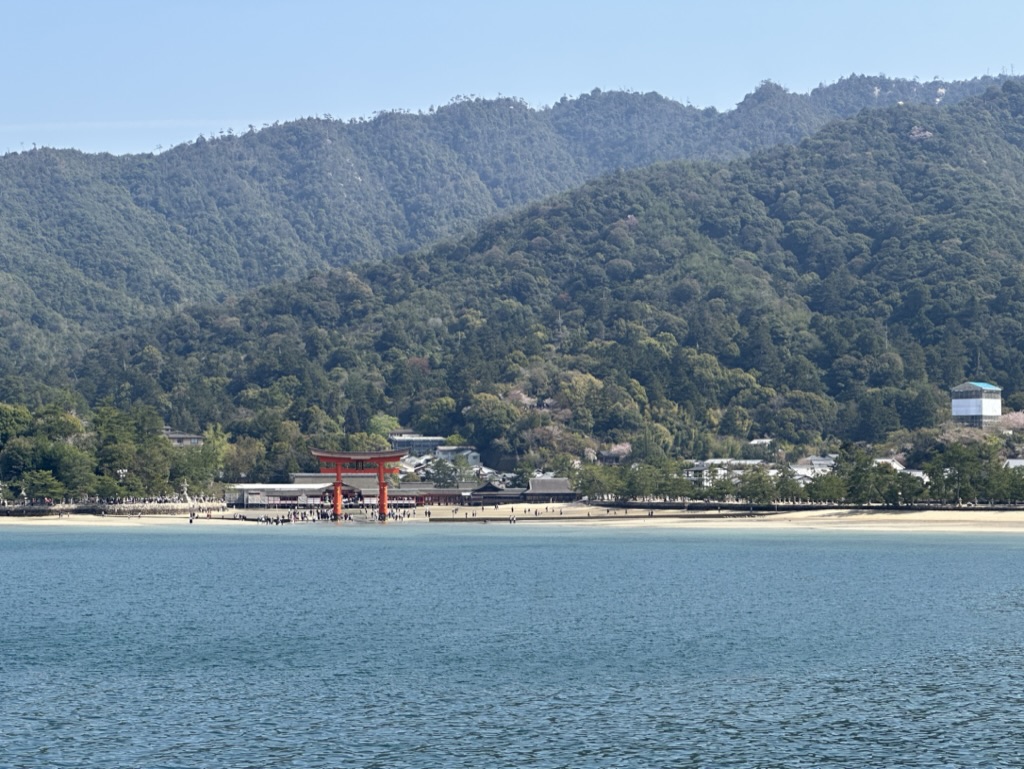
This was an avoidable mistake. We had the Kansai Area JR Pass, which covers a ton of transportation around the region, including the route from Hiroshima to Miyajima Island. The “free” way to get there was to take the train from Hiroshima to Miyajimaguchi Station, then catch the ferry from there to the island. I didn’t even realize until I was in Hiroshima that there was a direct ferry from Hiroshima Peace Memorial Park. And I didn’t research it in advance because I knew we had a pass that already covered our trip there. When I found out about it, the ferry was already all sold out for the day.
The indirect route took us an extra 90 minutes each way. Instead of a scenic ferry ride departing right from central Hiroshima with beautiful harbor views, we got turned around navigating the streetcars and trains. By the time we finally got to Miyajima, we had less time to explore, and we weren’t able to get to the ropeway to take us to the top of the mountain before it closed–a view my husband would have loved to see.
This is one of those situations where the JR Pass can actually work against you. Because so much transportation is “included,” it’s easy to fall into the trap of thinking that any route not covered by the pass is automatically a bad deal or deter you from looking for alternate routes that could save you time. ¥4,400 per person roundtrip for a better experience and more convenience was actually an incredible value that I missed.
What I Learned About Strategic Spending
I’m still a value-oriented traveler at heart. and I still believe in using points and miles to stretch your travel dollar. But these are a few experiences that taught me that there’s a difference between being smart with money and being penny wise but pound foolish.
If I could do this trip over again, I’d give myself more flexibility on the cash for the hotels and experiences that I could not book with cash. That omakase meal, a comfortable place to sleep, the time-saving ferry ride—these are the things that actually make or break a trip.
I spent months earning credit card sign-up bonuses and transferring points to get us to Japan in business class for essentially the cost of taxes and fees. That was worth every bit of effort and planning. But at times I became so focused on that value mindset that I didn’t fully enjoy the trip I had worked so hard to make happen.
Don’t get me wrong, I don’t believe you need to splurge on everything. I’m still going to eat convenience store onigiri for lunch and use public transit to get around. But when it comes to the experiences that define your trip, the ones you’ll remember years later? That’s where it pays to open your wallet.
Next time I’m in Japan—and there will definitely be a next time—I’ll book the omakase tier that gets me the full chef’s attention, I’ll pay more for a room where I can actually spread out, and I’ll pay for the ferry route that gives me harbor views and saves me time.
Because at the end of the day, I can always earn more points. But I can’t get back that first sushi omakase experience I left feeling half-hearted about because I chose the cheapest option.
 Love Your Suitcase | Travel Planning & Points Optimization Expert
Leave a comment