Everyone is screaming that World of Hyatt just torched the best hotel loyalty program in the game. Here’s what the doom-and-gloom crowd is missing.
The Sky Is Not Falling
If you’ve spent any time in points-and-miles forums or reading travel blogs this past month, you’d think World of Hyatt just announced they were shutting down. “Brutal.” “Devastating.” “The worst devaluation we’ve ever seen.” The hyperbole has been turned up to eleven.
Yes, the May 20, 2026, award chart changes are real. Some prices are going up significantly. But before you delete the Hyatt app, let’s actually look at what’s changing, who it really affects, and why World of Hyatt is still, by a wide margin, the best hotel loyalty program for most points travelers.
What Actually Changes on May 20
Here’s the straightforward version. Hyatt replaced its three-tier pricing structure (off-peak, standard, peak) with a five-tier system (Lowest, Low, Moderate, Upper, and Top). The eight hotel categories (1 through 8) remain exactly the same. What changed is how much price variation is possible within each category.
The new award pricing range for a standard room, per night, looks like this:
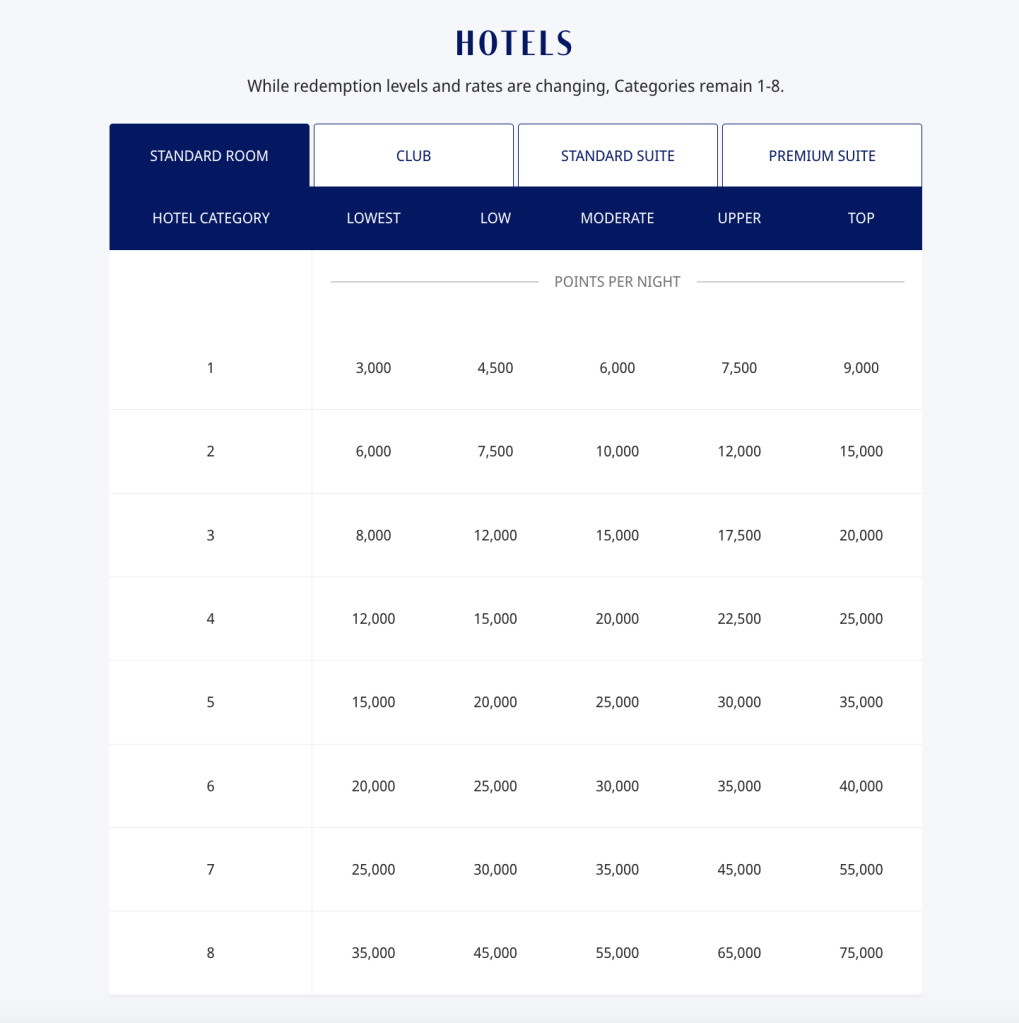
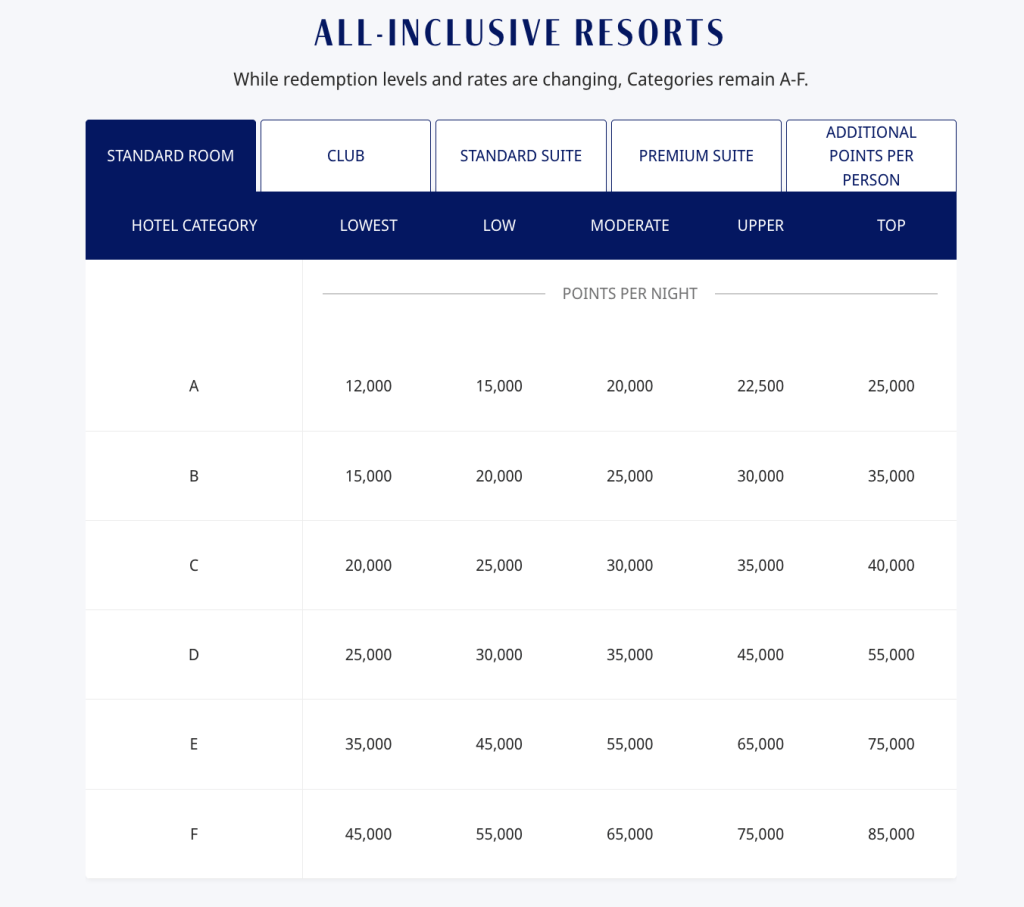
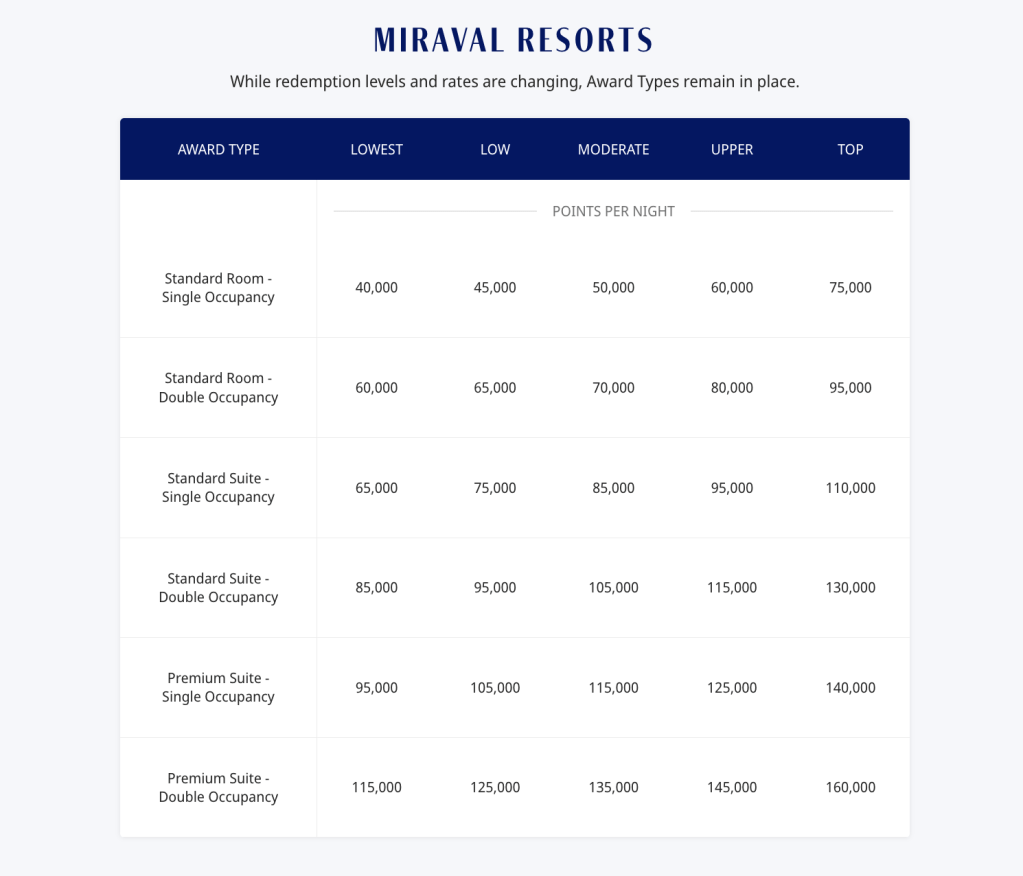
Separately, Hyatt announced its annual category reclassification: 112 hotels moved up a category, 24 moved down, with more than 90% of properties staying exactly where they are.
Who Takes the Real Hit
Let’s be honest about where the pain is. If you were planning to redeem at top-tier luxury properties during peak travel periods such as Park Hyatt Maldives over New Year’s, Andaz 5th Avenue during a holiday weekend, the newly renamed Alila Mayakoba during spring break, you will feel this. A Category 8 hotel at “top” pricing now costs 75,000 points per night, up from a previous peak of 45,000. That’s a 67% increase, and it stings.

A few high-profile properties also moved up a full category: the Andaz 5th Avenue, Park Hyatt London River Thames, and the Hyatt Regency Aruba all jumped to category 8. If any of these were on your bucket list, booking before May 20 was the right call.
Something to keep in mind: Hyatt says the rollout of the Upper and Top pricing tiers will be gradual in 2026, with only a limited number of nights moving into those tiers initially. Broader adoption comes in 2027 and beyond. So even at the top end, 2026 is a transition year, not the apocalypse.
The Part Nobody Is Talking About: Lower-Tier Hotels Are Fine
Here’s where the doom and gloom narrative falls apart for most travelers: if you mostly redeem at lower category Hyatt hotels, your situation has either improved or barely changed.
Categories 1 through 6 actually get cheaper at the new “Lowest” tier — down 14-15% from old off-peak pricing. That means if you’re flexible with travel dates and avoid peak demand windows, you will pay fewer points than before.
Even at the “Moderate” middle tier, the increases at the lower end of the chart are manageable. Hyatt hasn’t published every intermediate value prominently, but based on the official chart’s floor-to-ceiling ranges, Category 2–4 Moderate pricing lands very close to what old standard pricing was. Category 4 moderate, for instance, comes in around 16,000 points versus the old standard of 15,000. Not earth shattering.
Why Hyatt Place Still Wins
Here’s the real-world argument that nobody making the doom-and-gloom case wants to address.
A Hyatt Place is a Category 1–4 hotel in most markets. It’s the kind of property you book for a work trip, a family road stop, or a budget-conscious city stay. And if you’re visiting over a holiday, when a big game or concert is in town, or sometimes for seemingly no good reason, you can see Hyatt Places charge $250–$400+ per night in cash!
Think about that. A Hyatt Place in Nashville during CMA Fest? $350+ a night. A Hyatt House in Pittsburgh during a Steelers home game weekend? $300+. Boston, Chicago, Washington D.C. during busy conference seasons? Same story. These are not luxury properties. They’re mid-scale, limited service hotels with a free breakfast bar and a gym, charging cash prices that are outrageous, even if that’s the market.
Now look at what those same hotels cost on points. At “moderate” pricing under the new chart, a Category 3 Hyatt Place runs around 10,000 points per night. A Category 4 runs around 16,000. If that $300 cash rate night costs you 10,000 points, you’re getting 3 cents per point in value, which is solid and saves you a bunch of cash that would’ve felt painful parting with for a midtier hotel stay.
The non-dynamic award chart means that when cash hotel prices surge because of a local event, a convention, or simple supply-and-demand. Your points cost doesn’t change. This is the single most underrated feature of World of Hyatt, and it didn’t go away on May 20.
Hyatt vs. Marriott vs. Hilton: Still Not Even Close
The points and miles community has spent years watching Marriott Bonvoy and Hilton Honors dismantle their award programs in real time. Let’s do a quick comparison of where things stand:
Point valuations (approximate cents per point):
- World of Hyatt: ~1.7–1.8¢ per point (even post-devaluation)
- Marriott Bonvoy: ~0.8¢ per point
- Hilton Honors: ~0.5¢ per point
Hyatt points are worth more than twice what Marriott points are worth, and roughly 3–4x what Hilton points are worth. Even at the “Top” pricing tier of 75,000 points for a Category 8 property, you’d need roughly 150,000 Marriott points to match that redemption — and Marriott’s dynamic pricing means that expensive hotel during peak season could easily run 150,000+ points anyway, with no published ceiling at all. You could pay that many points for a weekend at a Courtyard in a suburb for that matter.
Hilton and Marriott abandoned their award charts altogether, meaning there’s no predictability and no ceiling on point costs. Hyatt still publishes an award chart. That matters. Even with five tiers and wider ranges, you know the maximum you’ll ever pay. That’s transparency that the competition doesn’t offer.
What You Should Actually Do Right Now
A few tactical moves worth making:
- Book flexible dates at lower-category properties. Categories 1–4 remain the sweet spot of this program, and with non-dynamic pricing at those tiers, you’re still getting exceptional value when cash rates spike.
- Target the “Lowest” and “Low” tiers for off-season travel. Categories 1–6 now start cheaper than old off-peak pricing. If you’re flexible, the new chart has upside at the bottom end.
- Keep earning Hyatt points via Chase Ultimate Rewards. The 1:1 transfer from Chase UR to Hyatt remains the single best hotel points transfer in the industry. That hasn’t changed.
- Don’t panic-transfer points or overreact. The higher “Upper” and “Top” tiers are launching gradually. 2026 is a transition year; most nights won’t be priced at the scary new highs.
The Bottom Line
Are some luxury redemptions going to cost more, sometimes significantly more? Absolutely. But is World of Hyatt still, by almost any metric, the best hotel loyalty program in the industry for the average points traveler? Also yes.
If your strategy centers on redeeming at Hyatt Place, Hyatt House, Hyatt Regency, or similar mid-tier properties — especially in expensive cities or during high-demand periods — the math still works overwhelmingly in your favor. If you exclusively stay in the highest end Hyatt hotels, there is now significantly more competition for your money or points. I think you’re still going to find that the Park Hyatt is the better option on points than the Ritz Carlton in most locations, but frankly most people booing the highest end hotels consider far more than just the cost when deciding where to stay. Hyatt is showing that it believes the people who were going to stay there will still stay there anyway after the changes go into effect.
The doom-and-gloom headlines make for great clicks. But for most of us, World of Hyatt on May 21, 2026, still looks a lot better than Marriott Bonvoy on May 19.


Leave a comment